
The Inheritance of Freedom
- Timothy Knight

- Nov 4, 2025
- 4 min read

We often speak of Canadian freedom as if it were the soil under our feet—a given, a natural inheritance, something that has always been and always will be. We live our lives upon it, building our homes, raising our families, debating our futures with a candour and safety that many in the world can only dream of. We are free to speak our minds, to worship as we choose, to vote in and out our governments, and to sleep soundly in our beds. But this soil is not bedrock. It is topsoil, rich and fertile, but painstakingly layered and protected by generations of sacrifice. This freedom is not a passive gift; it is a living, breathing responsibility, purchased at a cost that is almost impossible to comprehend. It is a legacy defended by the honour, sacrifice, duty, and bravery of the Canadian Armed Forces
That defence was forged in the crucibles of the 20th century. When the world plunged into darkness in 1914, Canada was a young nation, its identity still tethered to the British Empire. Yet, from that fire, a distinct Canadian spirit emerged, forged on the muddy, blood-soaked slopes of the Western Front. We remember Vimy Ridge, not just as a stunning military victory, but as a moment of national birth. It was there that all four divisions of the Canadian Corps, fighting together for the first time under the brilliant, meticulous command of General Sir Arthur Currie, achieved what others had deemed impossible. It was a victory of strategy, bravery, and staggering loss. That ridge was won by men who crawled through mud and wire, facing machine guns with courage that defies description.

The sacrifice of the First World War—over 66,000 dead from a nation of eight million—was a scar that defined a generation. It was a price paid in quiet towns from Newfoundland to British Columbia, in families that would never be whole again.
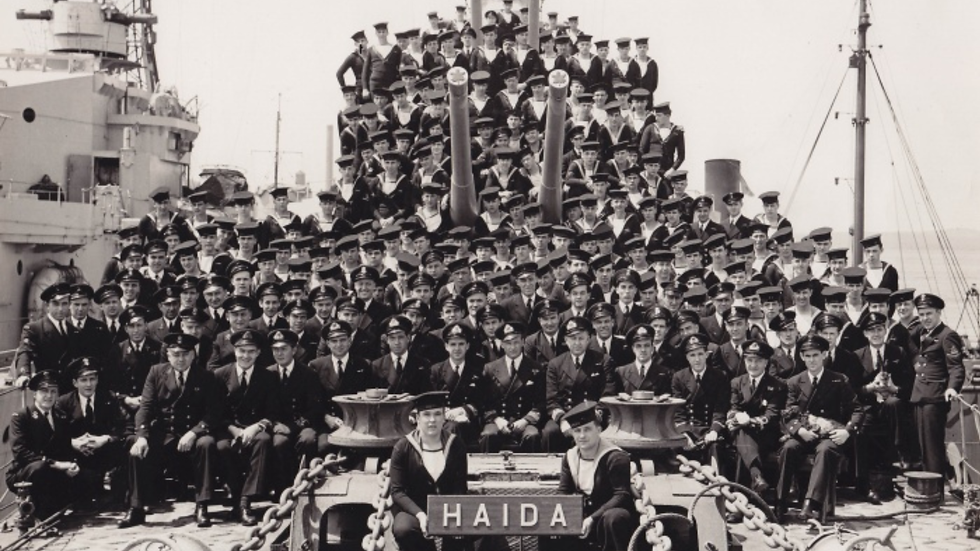
Two decades later, the call came again, this time against a tyranny that threatened to extinguish the very concept of freedom. Canada’s contribution was immense, evolving from a small, ill-equipped force into a formidable military power. We remember the Battle of the Atlantic, where the Royal Canadian Navy fought a desperate, lonely war against U-boats to keep the lifeline to Britain open. We remember the ill-fated raid on Dieppe, a devastating lesson paid for in Canadian blood, but one that ultimately informed the success of D-Day.
We remember heroes whose bravery shines through the darkness of that conflict. Men like Major John Weir Foote, a chaplain who, during the chaos of Dieppe, spent hours under intense fire tirelessly tending to the wounded, carrying them to aid stations, and refusing evacuation to remain with his men, ultimately choosing capture so he could minister to them as prisoners of war. Or Flying Officer Andrew Mynarski, who, trapped in his burning Lancaster bomber, fought to free his fellow crewmate, only stopping when his own flight suit was ablaze, saluting his friend before the plane tore apart. These are not just stories; they are testaments to a profound sense of duty—a commitment to one another that overshadowed the instinct for survival. From the harsh campaigns in Italy to the jubilant liberation of the Netherlands, where to this day Canadians are met with flowers and gratitude, our soldiers fought for something larger than themselves: the simple, profound idea that people should be free.

The end of the global war did not mean the end of sacrifice. It heralded a new, complex era and a new role for Canada—that of the peacekeeper. This role, often misunderstood as passive, demands a unique and trying brand of courage. It is the bravery of standing between two hostile forces, of patrolling volatile borders, of absorbing hatred to maintain a fragile peace. It is the duty performed in the Sinai, the Congo, Cyprus, the Balkans, and the tragic, haunted hills of Rwanda.
This peacekeeping mantle has been strained and tested, most notably in Afghanistan, where the lines between peacekeeping and active combat blurred into a decade-long conflict. There, a new generation of Canadian soldiers demonstrated the same core values of honour and duty, facing improvised explosive devices and a determined insurgency, all in an effort to give others a chance at the stability we take for in granted. The sacrifices of this modern era are different—the wounds are not just physical but deep and psychological—yet they are sacrifices nonetheless, made in our name.
This weight of memory, this debt of gratitude, is not left to chance. It is actively and lovingly preserved by The Royal Canadian Legion.
We must offer a special and profound thanks to the Legion. Its branches are more than community halls; they are sanctuaries of remembrance. Through the Poppy Campaign, they ensure that the fragile, red symbol of sacrifice blooms on our lapels every November. They provide unwavering support to veterans and their families, a quiet, steadfast promise that their service will not be forgotten. The Legion members, many of them veterans themselves, are the dedicated guardians of our national conscience, organising the solemn ceremonies that call us to silence at the eleventh hour of the eleventh day. They are the ones who ensure "Lest We Forget" is not a hollow phrase, but an active, year-round commitment.
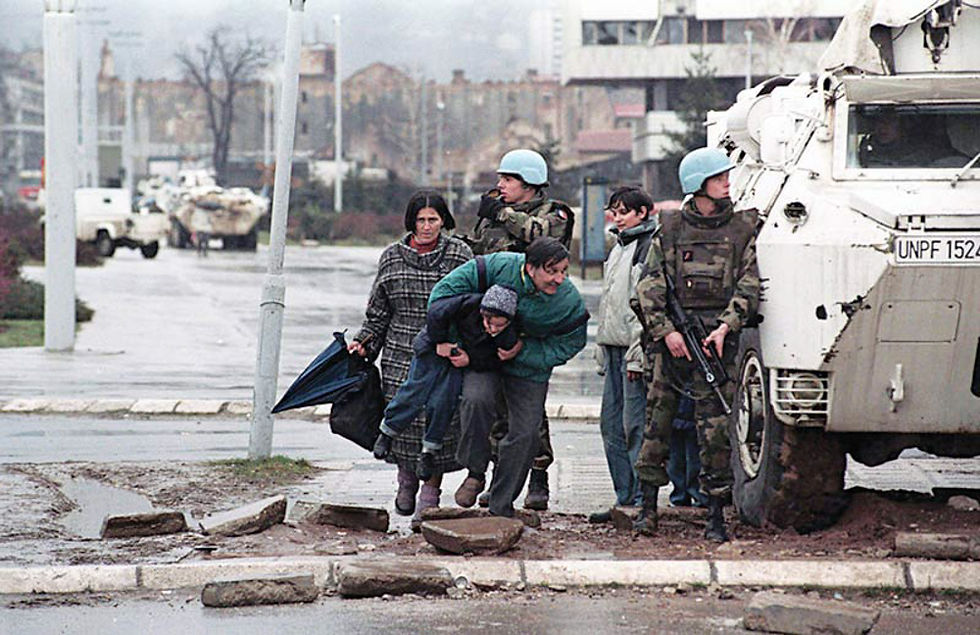
The freedoms we enjoy are not free. They are a treasure, guarded by the men and women of the Canadian Armed Forces who have, and continue to, put themselves in harm's way for us. Our responsibility as Canadians is twofold. First, to live lives worthy of that sacrifice—to engage in our democracy, to uphold the values of tolerance and justice, and to build a country that honours their legacy.
Second, it is to remember.
To look at the flag not just as a piece of cloth, but as a symbol of every individual, every story, every family touched by that service. It is to thank them, to support them, and to teach our children what it means to serve with honour, duty, and bravery.

A noble narrative.....well written....but was it for a bygone era?
As a veteran with 45 years service, I have less rights today than when I was a young Army Cadet. With our national security threat level at "Medium"......I will not attend any service because it is a target rich gathering. I choose not to listen to land acknowledgements, and watch the very politicians that seek to destroy this country....approach a Cenotaph with a wreath in hand....and lay it at the base. Solemn faces for the cameras and nothing more. Hypocrisy!
When the crowd has dispersed and all that is left are noisy seagulls and crows......I will pay my personal tribute with the Christian Veteran's Prayer, 2 minutes of silence, …